What Is a Russian Manicure? The Precision Technique Redefining Nail Care
More than a manicure — a methodology. Here's why the Russian technique is becoming the gold standard for clients who want cleaner, longer-lasting results.
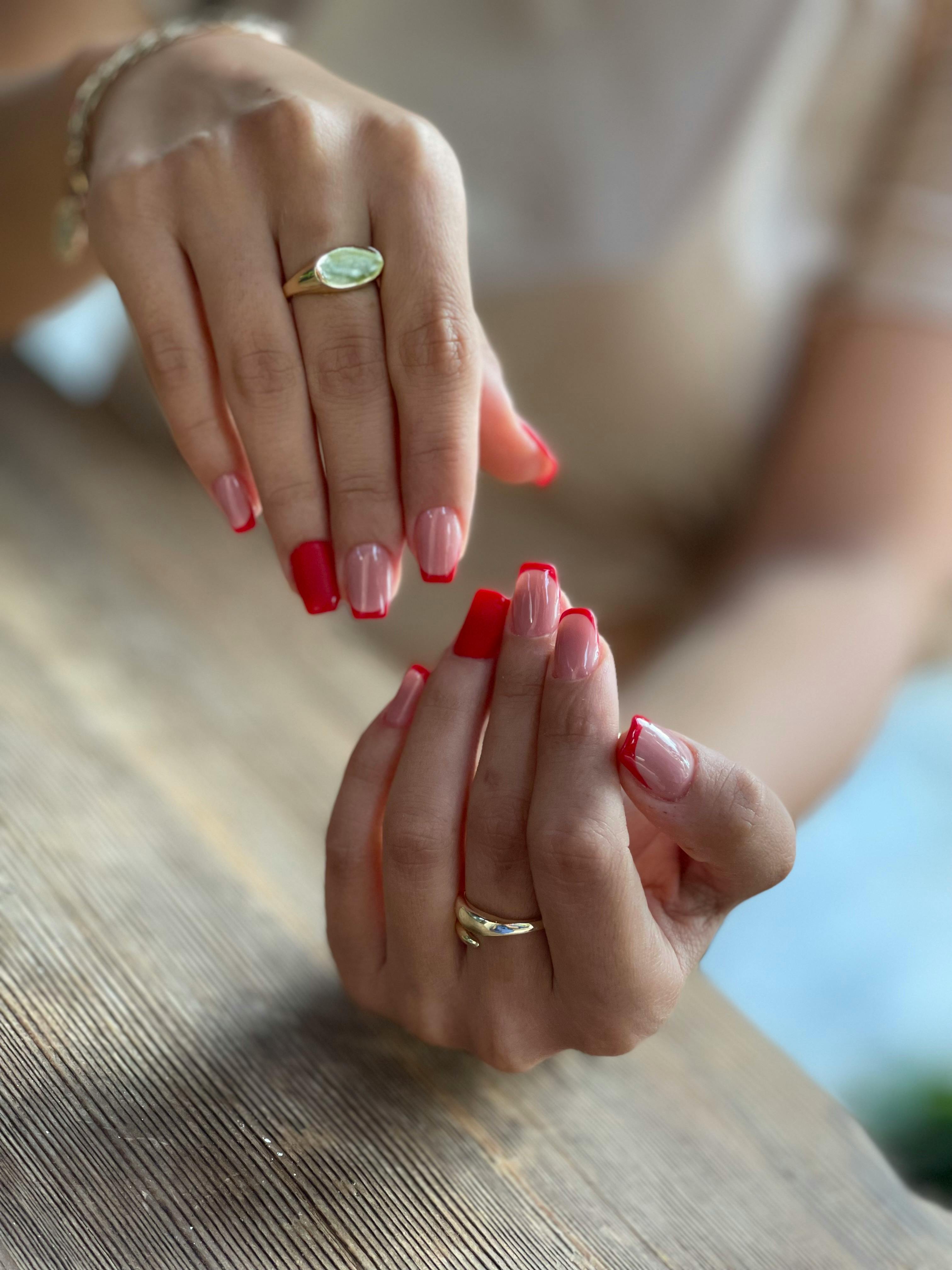
There's a moment in a Russian manicure when you look down at your hands and notice something different. The edges are cleaner. The cuticles are gone — not pushed back, but carefully removed. The polish sits flush against the skin with almost no gap, and the finish looks like it belongs in an editorial shoot rather than a suburban strip mall.
That's the point. The Russian manicure isn't just a service — it's a different philosophy of nail care entirely.
Where It Comes From
The technique originates from Eastern Europe, where nail care has long been treated as a precise, almost clinical discipline. In Russia and surrounding countries, nail technicians train for years in dry manicure methods — working without soaking the hands in water, which can temporarily swell the skin and lead to lifting once everything settles back.
Over the last decade, the technique migrated into salons across Western Europe and eventually the US, where it quickly developed a devoted following among clients who'd grown tired of polish that lifts within days or cuticles that creep back within a week.
What Actually Happens During the Service
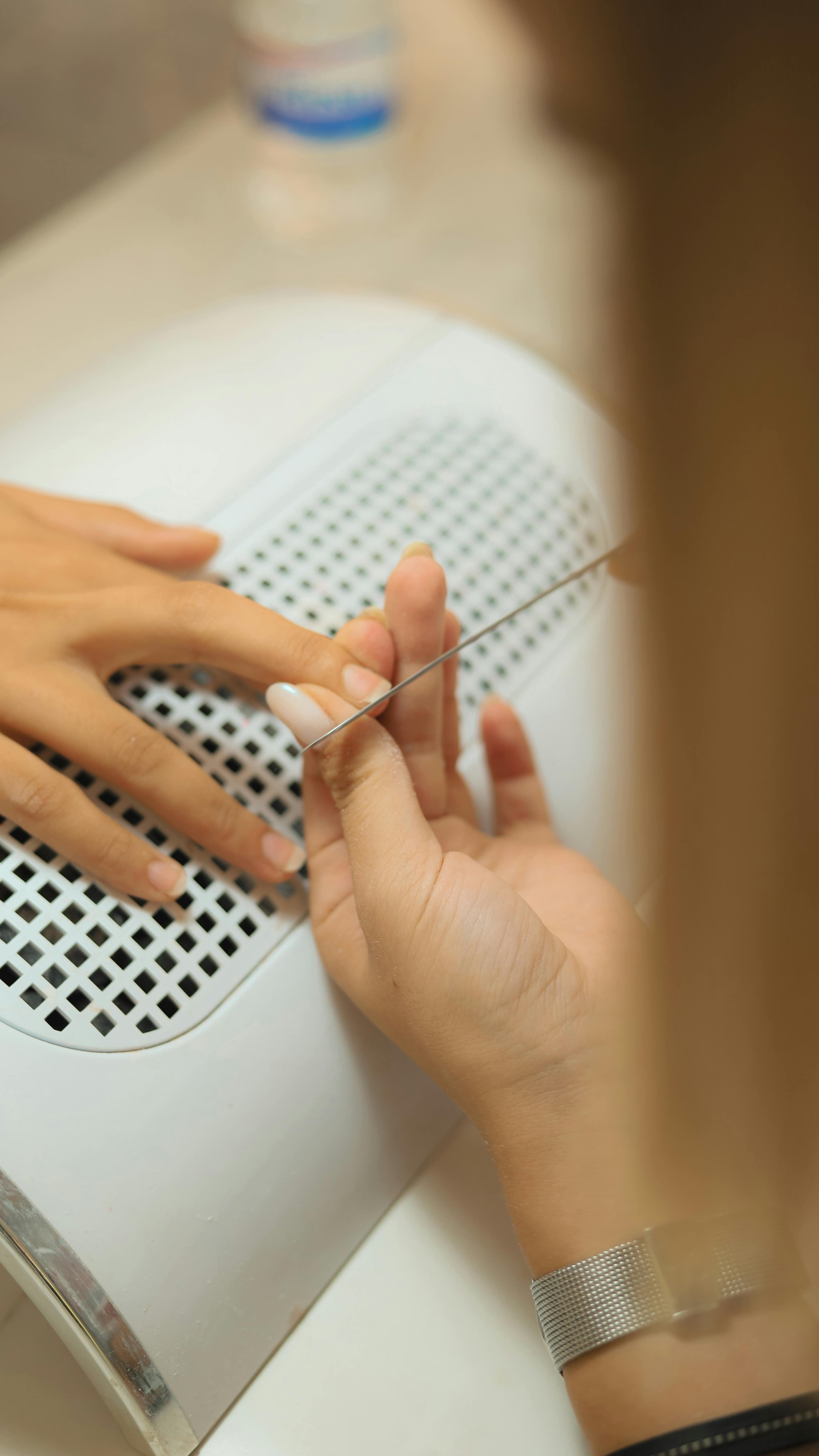
A Russian manicure is a dry manicure, which means no bowl of warm water at the start. Instead, the technician works with a specialized electric file — a low-speed drill with precision bits — to carefully remove dead skin, clean the nail plate, and work around the cuticle area with a level of detail that a standard manicure simply doesn't allow.
Here's what sets it apart, step by step:
Dry prep. The nail is cleaned and shaped without soaking. This keeps the skin tight, which means the technician can see the cuticle line clearly and work precisely.
Electric file work. A hand file can only do so much. The electric file allows a trained technician to refine the nail surface, remove built-up cuticle skin, and create a perfectly smooth base — all without damaging the nail plate when done correctly.
Cuticle removal. This is the defining step. Rather than pushing cuticles back (which leaves them to return within days), the Russian technique involves carefully lifting and removing the dead cuticle skin around the entire nail. The result is a longer, cleaner-looking nail bed.
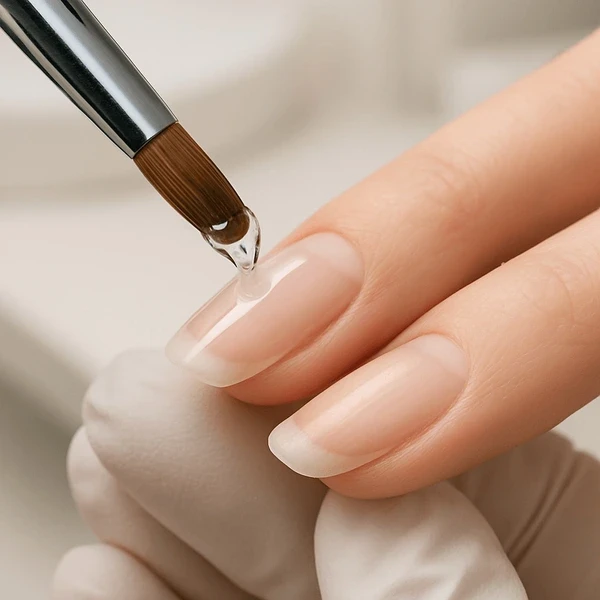
Polish application. Because the nail surface and surrounding skin have been prepared so thoroughly, gel polish can be applied much closer to the skin — almost edge-to-edge — without lifting. This is why Russian manicures last noticeably longer.
How Long Does It Last?
Most clients see results that hold cleanly for three to four weeks, with significantly less lifting than a standard gel manicure. Because the cuticle is fully removed rather than just pushed back, regrowth is slower and the polish line stays tight for longer.
For clients who've experienced gel lifting within the first week, this is often the difference-maker.
Is It Safe?
This is the most common question — and a fair one. The electric file and the cuticle removal process sound aggressive on paper. In practice, when performed by a trained technician, the Russian manicure is safe and gentle. The key word is trained.
An undertrained technician can over-file the nail plate or remove living skin rather than dead cuticle, which causes damage and sensitivity. This is why it matters where you go.
At T2 Nails, our technicians are specifically trained in the Russian technique — not just familiar with it. The service takes longer than a standard manicure because it should. Precision isn't something you rush.
Who Is It For?
The Russian manicure works for most clients, but it's particularly well-suited for:
Clients whose gel polish lifts within the first week
Anyone with prominent or fast-growing cuticles
Clients who want a very clean, editorial nail look
Those who prefer longer gaps between salon visits
It's worth noting that clients who are on blood thinners or have certain skin conditions around the nail should consult with a technician before booking, as the cuticle work requires healthy surrounding skin.
How It Compares to a Standard Gel Manicure
Standard Gel Manicure | + Russian Manicure Add-on | |
Prep method | Wet (water soak) | Dry |
Cuticle treatment | Pushed back | Removed |
Tool | Hand file | Electric file + hand file |
Polish coverage | Standard | Edge-to-edge |
Typical longevity | 1–2 weeks clean | 3–4 weeks clean |
Appointment time | 45 min | Add 20 min |
How to Add It to Your Service
At T2 Nails, the Russian manicure technique is available as an add-on to most services. Whether you're coming in for a gel manicure, Gel-X extensions, or a classic set, you can request the Russian prep — the dry cuticle work and precision e-file technique — as part of your appointment.
It adds 20 minutes to your service, which is why we're appointment-only. That time is worth it. Ask about adding it when you book, or mention it when you arrive and we'll let you know if it fits within your appointment window.
Call 630.428.0299 or book online at t2nailsnaperville.com.
What to Expect at Your First Appointment
Come in with your nails clean and free of polish if possible — it saves time during prep. During the service, you'll feel the vibration of the electric file but not discomfort. If anything feels sharp or uncomfortable, say so. A good technician adjusts.
Afterward, your hands will look notably different from what you're used to. The nail bed appears longer. The surrounding skin is smooth and uninterrupted. The color sits with a precision that's hard to achieve any other way.
Give yourself 24 hours before submerging your hands in water to let the gel fully cure and adhere. After that, treat them normally — and enjoy not thinking about your nails for the next few weeks.
Recommended Products
Other Useful Articles
Gift Cards